Virtual Receptionist vs. Human Receptionist: Which Is Right for You?

The decision between a virtual AI receptionist and a human receptionist is one that many growing businesses face. Both options have distinct advantages, and the right choice depends on your specific business needs, budget, and growth trajectory. Let's break down the key differences to help you make an informed decision.
Human receptionists bring warmth, empathy, and the ability to handle complex or emotionally sensitive situations with nuance. They can build personal relationships with repeat callers and adapt to unexpected scenarios on the fly. However, they're limited by working hours, can only handle one call at a time, require training, and come with significant costs including salary, benefits, and workspace.
Virtual AI receptionists, on the other hand, offer 24/7 availability, can handle multiple calls simultaneously, and operate at a fraction of the cost. Modern AI systems sound remarkably natural and can be customized to match your brand voice. They never have bad days, never forget information, and provide consistent service quality across every interaction.
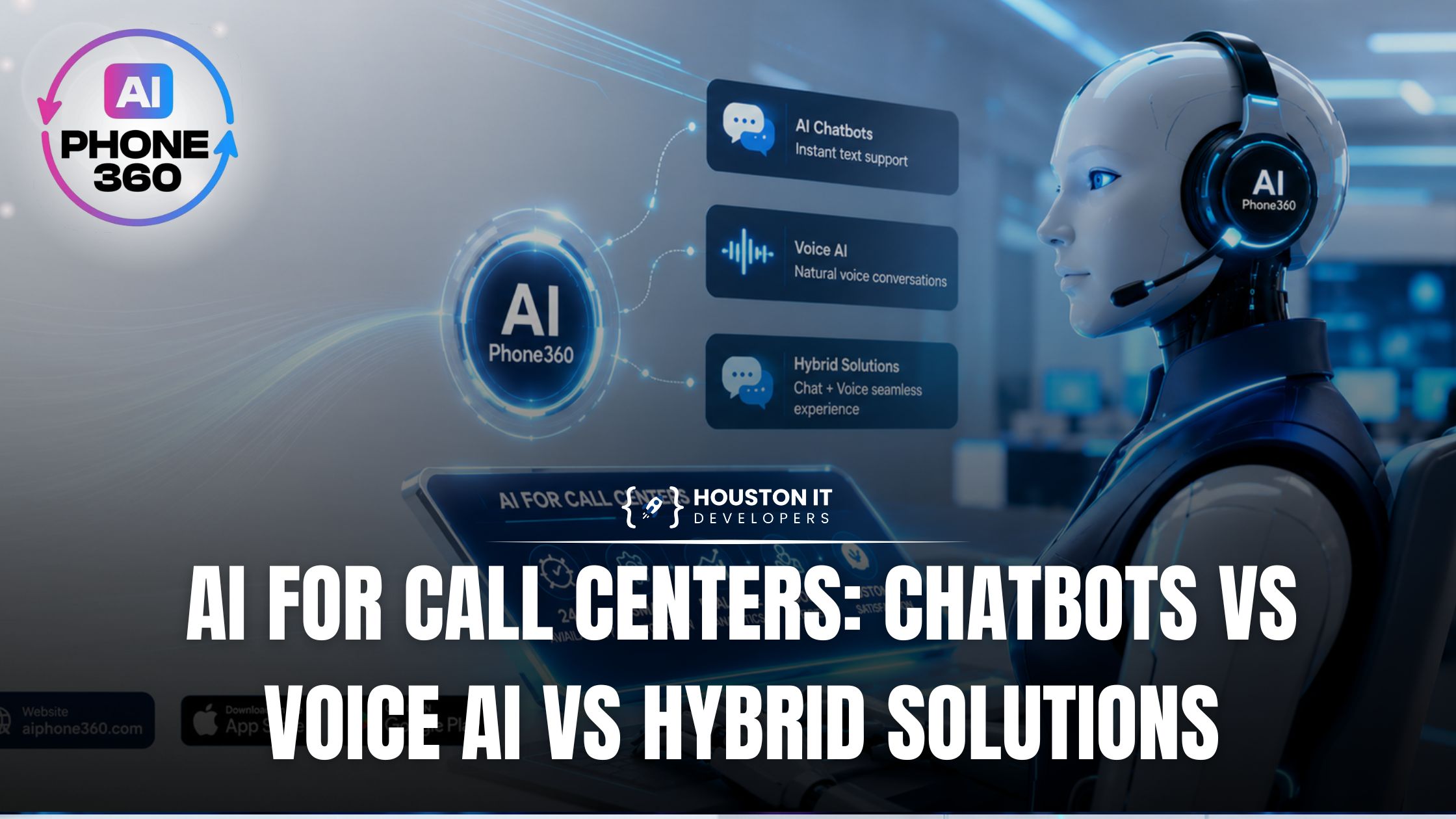
For many businesses, the ideal solution is a hybrid approach. Use an AI receptionist as the first point of contact to handle routine calls — appointment scheduling, business hours inquiries, basic FAQs — and route complex or high-value calls to human team members. This approach maximizes efficiency while ensuring that callers who need a human touch always get one.